
A Journey Through Time: The History of Funeral Traditions
Funeral traditions in the United Kingdom are a rich tapestry woven from centuries of social, religious, and cultural evolution. From ancient practices to the highly structured ceremonies of the Victorian era and the modern, personal celebrations of life we see today, how we say goodbye has shifted profoundly.
In the North East, particularly in historic communities like Sunderland and South Shields, these national traditions are often coloured by our unique industrial heritage and tight-knit community spirit.
Ancient Roots and Early Customs
In ancient Britain, burial practices were deeply influenced by the beliefs of the time. Early civilisations often buried the deceased with grave goods. These items were thought to be useful in an afterlife and included things like pottery, jewellery, or tools.
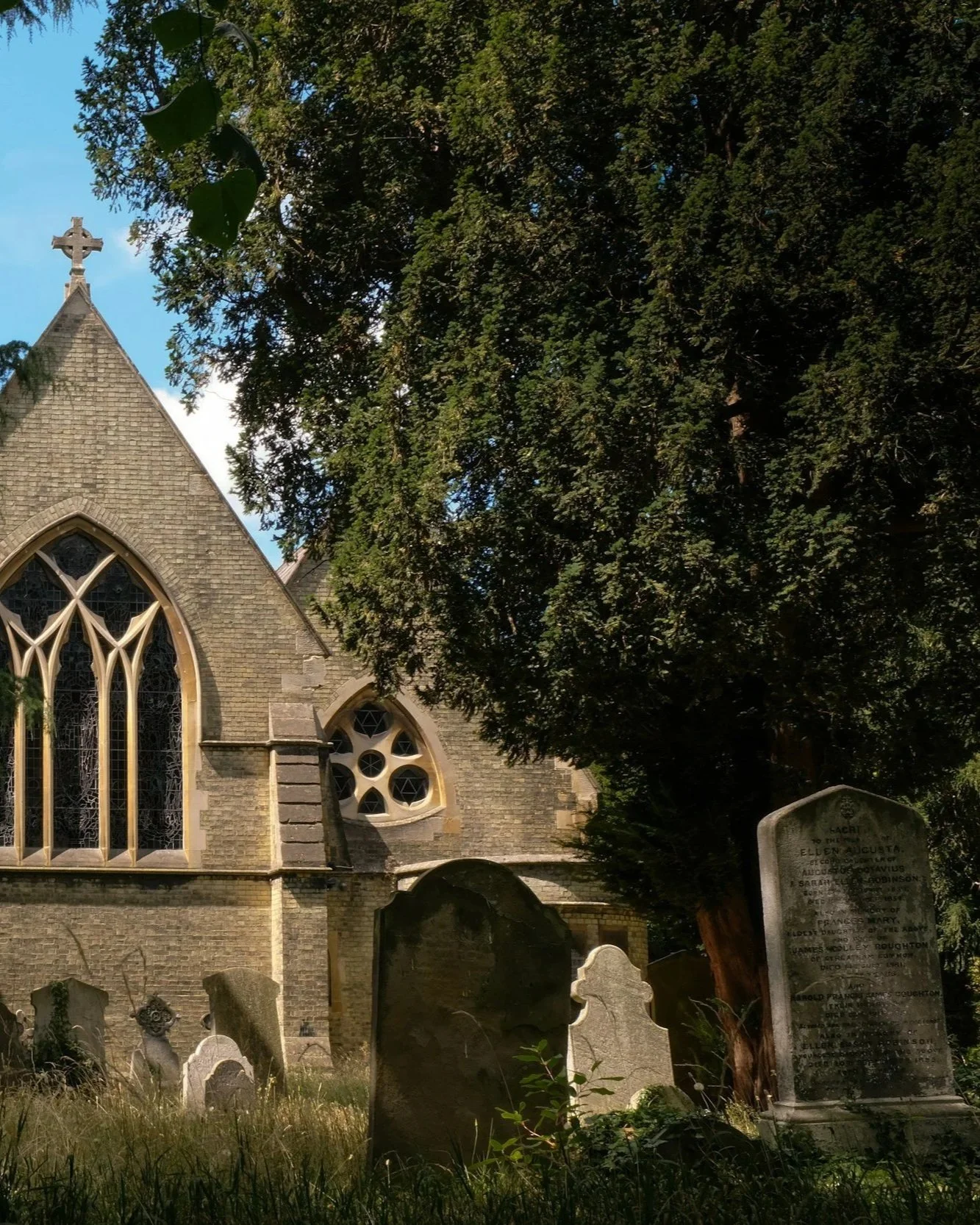
Following the arrival of Christianity, the focus moved toward burial in consecrated ground, typically within churchyards. For centuries, the parish church served as the heart of the community, and the churchyard became the final resting place for generations of villagers. This established the "churchyard funeral" as a staple of British life for hundreds of years.
The Victorian Era: The Pinnacle of Ritual
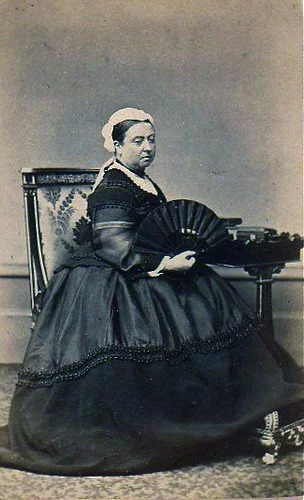
Perhaps the most defining period for British funeral tradition was the Victorian age. Influenced heavily by Queen Victoria’s lengthy mourning after the death of Prince Albert, funerals became elaborate, highly symbolic, and public displays of grief.
During this time, several traditions became deeply entrenched:
● Mourning Dress: Widows were expected to wear black for at least a year, followed by "half-mourning" in shades of grey or violet.
● The Funeral Cortege: The use of black-plumed horses and ornate, glass sided hearses became standard for those who could afford them, symbolising the status of the deceased.
● Keepsakes: The production of mourning jewellery, often containing a lock of the deceased’s hair became a popular way to maintain a physical connection to a loved one.
A North East Legacy: Traditions of Sunderland and South Shields
In our local area, funeral traditions have long been shaped by our industrial roots in coal mining and shipbuilding. When a member of a mining community passed away, the response was deeply communal.
● The "Walking" Funeral: In many mining villages and closely packed terraced streets, it was traditional for the coffin to be carried to the church or cemetery by friends and neighbours. This slow, respectful procession through the streets allowed the entire community to pay their final respects.
● The Funeral Tea: Food has always been central to mourning in the North East. Following the service, the "funeral tea" was a vital institution. It provided a space for families to gather, often in the family home, to share memories and sustain one another with traditional fare, a quiet but essential act of communal support.
● Industry and Respect: In shipbuilding towns, the tolling of the yard hooter or the stopping of work during a procession was a mark of deep, ingrained respect for a fellow worker. It spoke to the solidarity of a life spent in shared, hard labour.
The Shift Toward Modernity
As we moved into the 20th century, the post-war period brought significant changes. The introduction of the crematorium in the early 1900s and its increasing popularity throughout the century offered an alternative to traditional interment. This shift provided families with more flexibility regarding service times and locations.
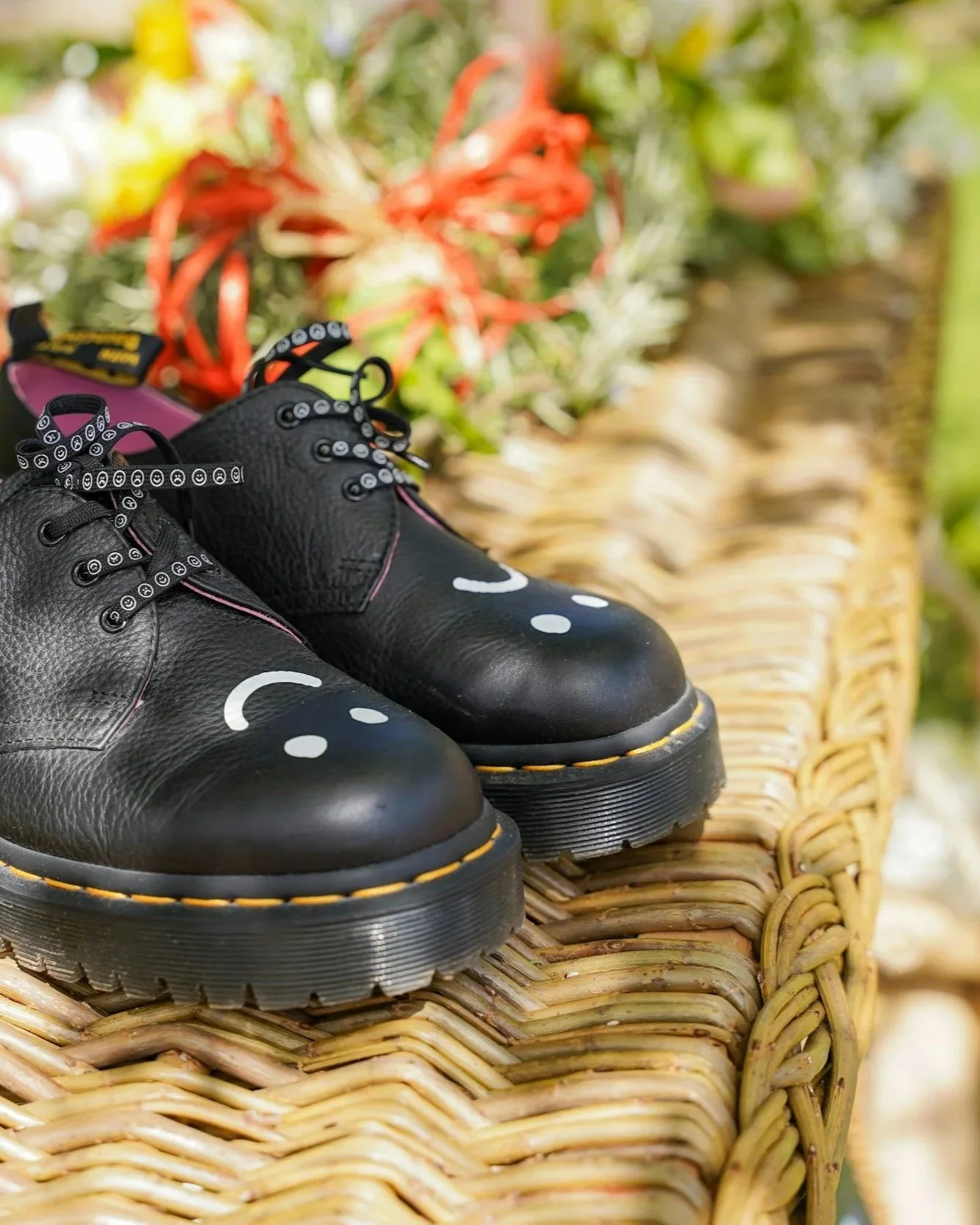
The late 20th and early 21st centuries have seen a trend towards "celebrations of life" rather than purely somber services. This evolution reflects a broader societal move away from rigid, formulaic ceremonies toward bespoke funerals that capture the personality, hobbies, and achievements of the deceased.
Why Traditions Endure
While the form of the funeral has changed, the function remains the same: to provide a space for closure, to honour a life, and to support the grieving community.
Whether it is the centuries-old tradition of a wake, a time for sharing memories and food, or the modern practice of creating digital tributes, these actions serve as essential bridges between the past and the present. They allow us to process loss while reinforcing the bonds that tie us to one another.
At John Duckworth Funeral Directors, we deeply value these historical roots while embracing the modern desire for personal expression. We are here to help you navigate these traditions, or create new ones, to ensure your loved one receives a truly fitting farewell.